Drain Repairs vs Drain Relining: Which Option Suits Your Drainage Issue?
Living in Kingston or nearby areas such as Surbiton, New Malden, or Tolworth, drainage problems are a common concern for many homeowners, especially in older properties. When faced with a damaged drain, it’s important to understand the repair options available to make an informed decision.
Two primary methods are traditional drain repairs involving excavation and the more modern approach of no-dig drain relining. Each has its advantages and drawbacks, and knowing the differences can help you choose the most suitable solution for your home’s drainage needs.
What Is Traditional Drain Repair?
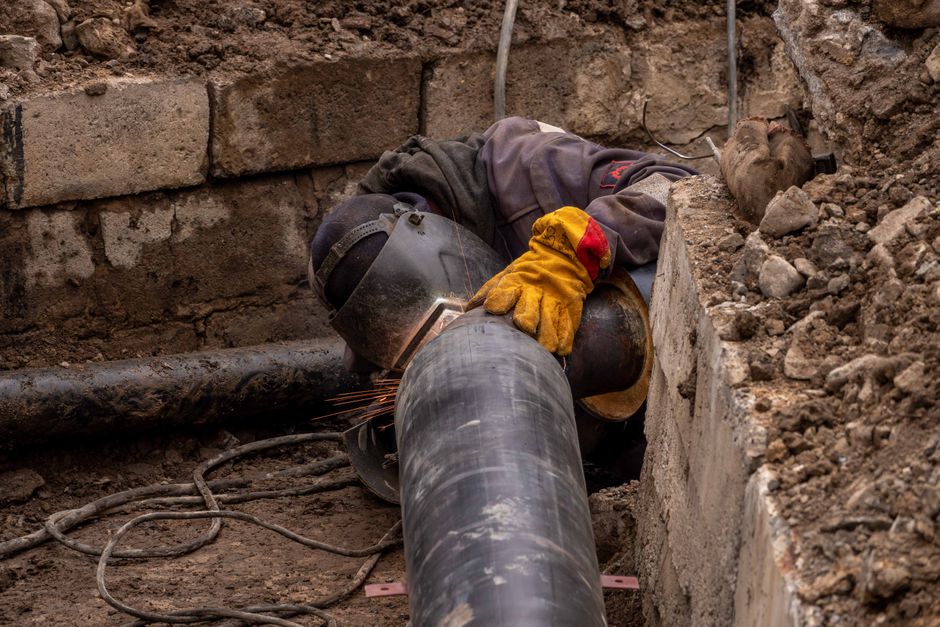
Traditional drain repair typically involves locating the damaged section of the drain and excavating the surrounding ground to access the pipe. This method allows the plumber to replace or repair broken sections directly, using materials such as new pipework or patching cracks.
This approach has been used for many decades and is well-understood by drainage professionals. It often involves digging up parts of gardens, driveways, or paths to reach the drain, which can be disruptive and time-consuming.
In Kingston, where many homes have mature gardens or paved driveways, excavation can sometimes be a challenge, requiring additional work to reinstate the affected areas after the repair.
Introducing No-Dig Drain Relining
Drain relining is a trenchless technology that repairs damaged pipes without the need for major excavation. Instead, a flexible liner coated with resin is inserted into the existing pipe, which then hardens to form a new, durable pipe within the old one.
This method preserves the surface above the drain, making it less disruptive for homeowners in areas like Kingston, Chessington, or Esher, where driveway or garden access may be limited.
Relining is particularly effective for cracks, minor collapses, or joint leaks. However, it may not be suitable for completely collapsed or severely damaged drains where structural failure has occurred.
Pros and Cons of Traditional Drain Repairs
One advantage of traditional excavation is the ability to fully inspect and replace damaged pipe sections. This can provide a definitive solution for extensive damage or blockages caused by root intrusion or collapsed pipes.
On the downside, excavation is labour-intensive, disruptive, and may require garden restoration or driveway repair afterward. In areas like Cobham or Walton-on-Thames, where properties often have limited outdoor space, this disruption can be inconvenient and costly.
Additionally, excavation can take longer to complete depending on the extent of the damage and access to the drain.
Pros and Cons of Drain Relining
Drain relining offers a quicker, less invasive alternative to repair drains. Homeowners in towns like Addlestone, Berrylands, or Molesey appreciate the minimal disruption to their property.
This technique is usually less expensive than excavation because it requires less labour and avoids reinstatement work. It also tends to be faster, often completed within a day, reducing inconvenience.
However, relining isn’t suitable for all drain problems. If the pipe has collapsed entirely or has severe structural damage, relining cannot provide a long-term fix. In such cases, excavation remains the only viable option.
How to Decide Which Method Is Right for Your Home
Choosing between drain repairs and drain relining depends largely on the condition of your drainage system. A thorough CCTV survey, commonly offered by drainage specialists in and around Kingston, can identify the precise issue and extent of damage.
If the survey shows minor cracks, joint leaks, or root ingress without major collapse, drain relining is often recommended due to its efficiency and minimal disruption.
However, where pipes are extensively damaged, collapsed, or blocked beyond repair, traditional excavation is necessary to replace the affected sections properly. Consider also the location and access to the damaged pipe, as this can influence costs and the length of the repair.
Local Considerations for Kingston and London Properties
Many homes in Kingston, as well as neighbouring areas like Norbiton, Old Malden, and Thames Ditton, are built on clay soil. Clay can cause ground movement, leading to pipe shifts and cracks over time, which makes drain maintenance a common issue in these locations.
Older properties, common in these parts of London, often have traditional clay pipe drainage systems. These are more susceptible to root ingress from nearby trees or garden plants—a factor to consider when choosing repair methods.
Furthermore, some parts of London, including Kingston and its surroundings, have strict local regulations regarding excavation work, especially near roads or public spaces. Minimising excavation using methods like relining can help reduce regulatory hurdles and speed up repair times.
Maintaining Your Drains After Repairs or Relining
Once your drain has been repaired or relined, proper maintenance is key to ensuring long-term performance. Avoid disposing of fat, oils, and heavy debris down your drains, as these can cause blockages regardless of the repair method used.
Regular checks and CCTV surveys every few years can help spot issues early, particularly if you live in areas like Tadworth, Chessington, or Esher where older pipework is common.
If you notice slow drainage, unpleasant odours, or water pooling around your property in Kingston or nearby towns such as Cobham or Chertsey, it’s wise to seek professional advice promptly before problems worsen.
Need a drainage expert in Kingston?
Call 020 4501 1099